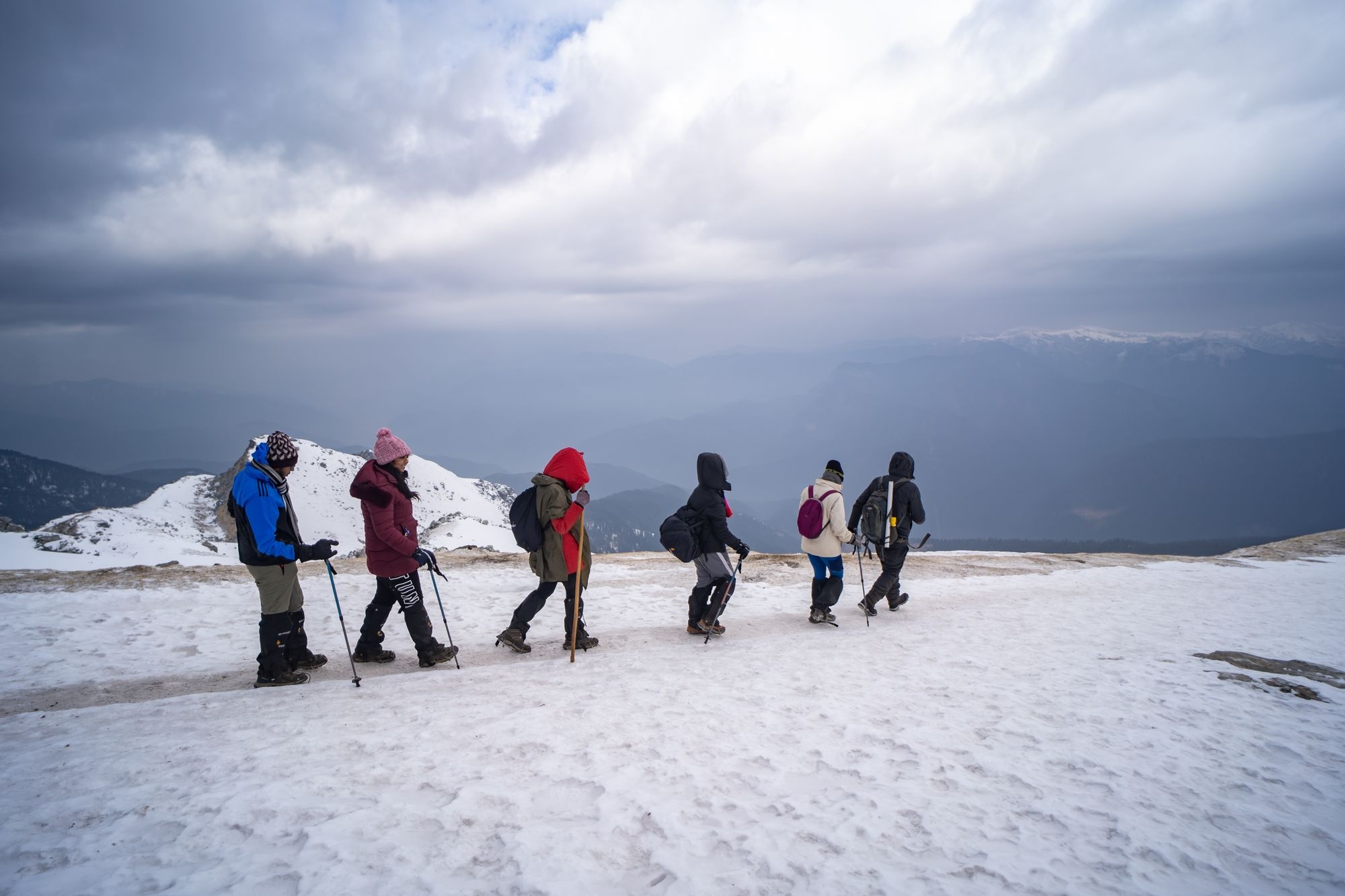
The sound of the Mandakini River rushing below, the crisp mountain air filling your lungs, and the first glimpse of the majestic stone temple against a backdrop of snow-clad peaks—this is the magic of Kedarnath.
For millions of devotees and adventure seekers, the Kedarnath trek is more than just a hike; it is a spiritual odyssey. However, standing at an altitude of 3,583 meters (11,755 ft), this pilgrimage is not a walk in the park. In 2024 alone, the Char Dham Yatra saw over 30 lakh pilgrims, with Kedarnath receiving a record-breaking influx. While the spiritual pull is magnetic, the physical challenge is real, especially for first-timers.
If you are a beginner planning to embark on this sacred journey, you’ve come to the right place. This Kedarnath trek guide covers everything from registration to what to pack, ensuring your yatra is safe, memorable, and spiritually fulfilling.
1. Understanding the Kedarnath Trek: The Basics
Before you lace up your boots, it is crucial to understand what lies ahead. The trek starts from Gaurikund and ends at the Kedarnath Temple.
-
Total Distance: Approximately 16 to 18 km (one way).
-
Starting Altitude: 1,982 meters (Gaurikund).
-
Max Altitude: 3,583 meters (Kedarnath Temple).
-
Difficulty Level: Moderate to Difficult. While the path is paved, the steep incline and high altitude make it challenging for beginners.
-
Average Time: 7 to 9 hours for a fit individual.
Pro Tip: Do not underestimate the altitude. Even if you are gym-fit, the thin air can affect anyone. Pacing yourself is key.
2. Best Time to Visit Kedarnath
Choosing the right window is the most critical decision you will make. The temple usually opens in May and closes in November (around Diwali).
May to June (Peak Season)
-
Weather: Pleasant (5°C to 18°C).
-
Crowd: Very high.
-
Pros: Ideal weather for trekking; snow is cleared.
-
Cons: Long queues for Darshan; accommodation prices soar.
September to October (Best for Beginners)
-
Weather: Crisp and cold (0°C to 15°C).
-
Crowd: Moderate.
-
Pros: The best views of the peaks; post-monsoon greenery; clearer skies.
-
Cons: Nights get very cold.
Avoid: July to August (Monsoon)
Landslides and slippery paths make the Kedarnath trek dangerous during these months. Government authorities often halt the yatra during heavy rains.
3. Mandatory Registration & Permits
You cannot enter the trek without a valid Yatra Registration. The Uttarakhand government has made this strict to manage crowds.
How to Register:
-
Visit the Official Uttarakhand Tourist Care Website.
-
Create an account and select the “Char Dham” or “Kedarnath” tour type.
-
Enter your details and travel dates.
-
Download the QR Code/Yatra Registration Letter on your phone.
Note: You may also need to present a valid ID proof (Aadhar Card) at the Sonprayag verification point.
4. The Route: Step-by-Step Guide
The traditional route has changed slightly after the 2013 floods. Here is the standard itinerary for a beginner:
-
Reach Sonprayag: Private vehicles are not allowed beyond this point. Park your car here.
-
Shared Taxi to Gaurikund: Take a local jeep (approx. ₹50) from Sonprayag to Gaurikund (5 km). This is the trekking base.
-
Gaurikund to Jungle Chatti (4 km): The trek begins. Cross the bridge over the Mandakini river.
-
Jungle Chatti to Bheembali (3 km): A steady climb.
-
Bheembali to Lincholi (4 km): This is the steepest and toughest section. Take frequent breaks.
-
Lincholi to Base Camp (4 km): The view opens up, and the gradient becomes gentler.
-
Base Camp to Temple (1 km): A flat walk to the temple complex.
5. Essential Packing List for Beginners
Packing light is the golden rule, but you must not compromise on safety.
-
Footwear: Waterproof trekking shoes with good ankle support. Do not wear sports shoes or sandals.
-
Clothing:
-
3 layers: Thermal inner, fleece jacket, and a windproof/waterproof down jacket.
-
Synthetic/Dry-fit T-shirts (Cotton absorbs sweat and makes you cold).
-
Raincoat or Poncho (A must-have; rain is unpredictable).
-
-
Gear:
-
Trekking pole (Saves your knees on the descent).
-
Headlamp or torch (If you trek before sunrise or after sunset).
-
Power bank (Electricity is scarce at the top).
-
-
Medical Kit: Paracetamol, Moov/Volini spray, Band-aids, and ORS/Electrol.
Suggestion for Visual: Insert an infographic here titled “The Ultimate Kedarnath Backpack Checklist” showing icons for Shoes, Raincoat, Meds, Water Bottle, and Power Bank.
6. Health & Safety: Dealing with AMS
Acute Mountain Sickness (AMS) happens when your body doesn’t get enough oxygen. Symptoms include headache, nausea, and dizziness.
How to prevent it:
-
Hydrate: Drink water frequently, even if you aren’t thirsty.
-
Kapoor (Camphor): Many trekkers sniff camphor wrapped in a cloth to help open nasal passages (a traditional remedy).
-
Acclimatize: Do not rush. If you feel dizzy, stop and rest immediately.
-
Oxygen: Portable oxygen cans are available at medical shops in Gaurikund; carrying one is a good safety net.
For more on preparing your body for high altitudes, check out our guide on [High Altitude Trekking Tips for Beginners] (Internal Link Placeholder).
7. Accommodation & Facilities
Don’t expect luxury at the top. The focus here is on survival and spirituality.
-
GMVN Guest Houses: Reliable and affordable, but they get booked months in advance.
-
Tents/Camps: Private operators set up tents near the temple. They are basic (mattress + sleeping bag).
-
Helicopter Services: If you cannot trek, you can book a helicopter from Guptkashi, Phata, or Sersi. Book only via the IRCTC HeliYatra website to avoid scams.
Final Thoughts
The Kedarnath trek is a test of endurance, but the reward is a sense of peace that stays with you long after you descend. As the famous saying goes among the pilgrims:
“The journey to Kedarnath is not just about reaching the temple; it is about discovering the strength within yourself that you never knew existed.”
Respect the mountains, keep the trail clean, and walk at your own pace. The temple isn’t going anywhere.
Ready to plan your trip? If you are looking to combine Kedarnath with Badrinath, read our Complete Char Dham Yatra Itinerary to plan the perfect route.
What is your biggest concern about the Kedarnath trek? Let us know in the comments below, and we’ll help you out!

)
Char Dham Yatra | Affordable
January 21, 2026[…] Kedarnath Trek Guide: Tips for Beginners […]