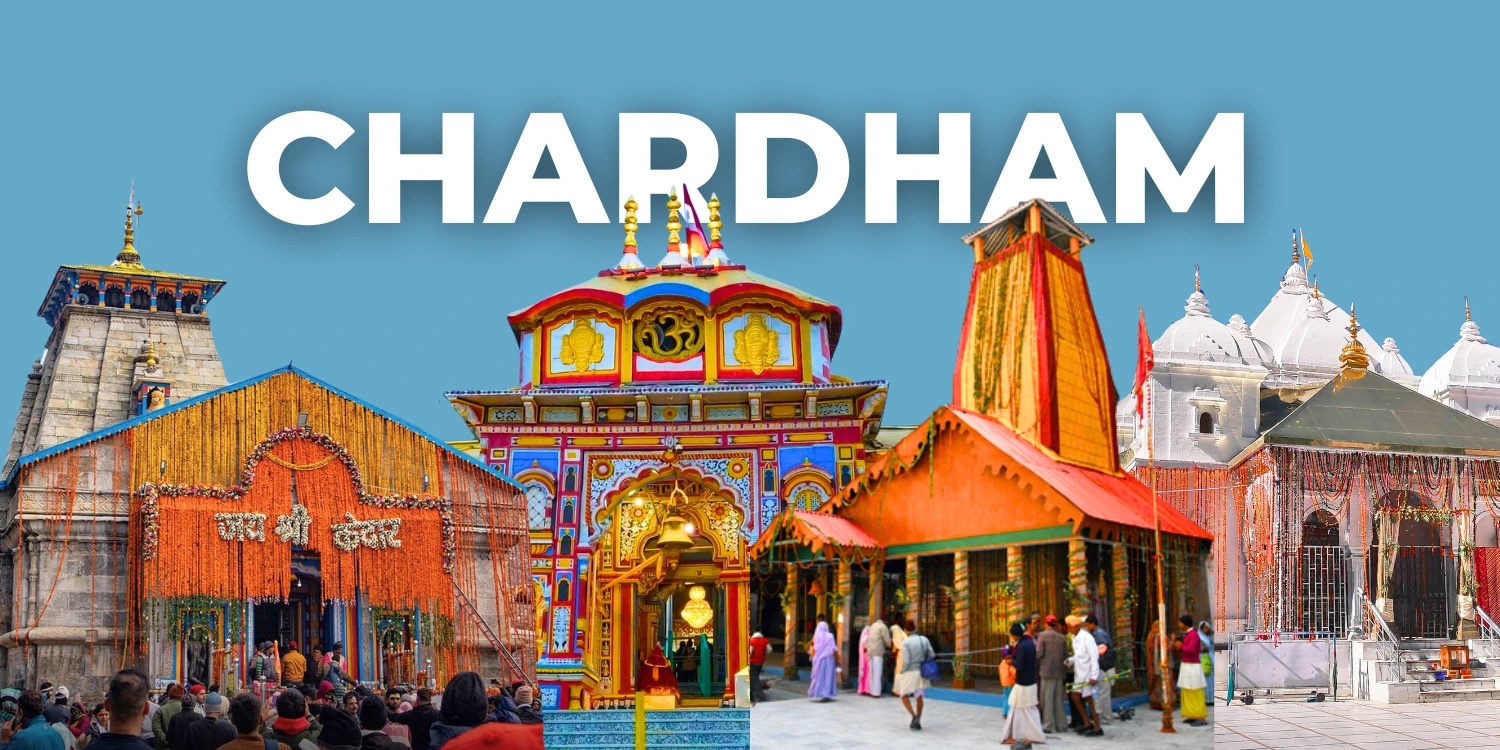
The Himalayas are more than just a mountain range; for millions, they are the abode of the divine. The Char Dham Yatra—comprising Yamunotri, Gangotri, Kedarnath, and Badrinath—is one of the most revered spiritual journeys in India. Every year, devotees flock to Uttarakhand to wash away sins and find moksha.
However, the path to divinity is not paved with ease. Nestled at altitudes ranging from 10,000 to 12,000 feet, these shrines demand more than just faith; they demand physical resilience. In 2024 alone, over 246 pilgrims lost their lives, primarily due to cardiac arrest and high-altitude sickness, according to state data.
If you are planning to embark on this sacred journey, preparation is not optional—it is vital. This guide covers exactly how to prepare for high altitude pilgrimages like the Char Dham Yatra, ensuring your trip is as safe as it is spiritual.
1. Understand the Risks: The Reality of High Altitude
Before you pack your bags, you must respect the geography. The air in the upper Himalayas is thin, containing significantly less oxygen than at sea level.
Why Altitude Matters
At heights above 8,000 feet, your body enters a zone where oxygen levels drop. If you ascend too quickly, you risk Acute Mountain Sickness (AMS). Symptoms include:
-
Persistent headaches
-
Nausea and vomiting
-
Dizziness and fatigue
-
Shortness of breath
Reality Check: According to the Uttarakhand State Disaster Management Authority, a significant percentage of health emergencies during the Yatra occur because pilgrims rush the ascent without acclimatization.
2. Physical Fitness: Train Your Body for the Climb
You don’t need to be an Olympic athlete, but you cannot be sedentary. Start training at least 3 months before your trip.
Cardiovascular Endurance
Your heart needs to be efficient at pumping oxygen.
-
Action Plan: Walk briskly for 4–5 km daily. Gradually incorporate jogging, swimming, or cycling.
-
Target: Aim to jog for 30 minutes without stopping before your trip dates.
Leg Strength
The trek to Kedarnath (approx. 16 km) and Yamunotri (approx. 6 km) is steep.
-
Exercises: Squats, lunges, and stair climbing.
-
Pro Tip: Practice climbing stairs with a weighted backpack (5kg) to simulate carrying your daypack on the trek.
Breathing Exercises
Since oxygen is scarce, lung capacity is key.
-
Pranayama: Practice Anulom Vilom and Kapalbhati daily to improve lung efficiency.
3. Medical Preparation and Health Safety
Do not hide medical conditions. The Char Dham Yatra is physically demanding, and honesty about your health can save your life.
Mandatory Health Checks
The Uttarakhand government has made health screenings stricter. If you have a history of heart disease, hypertension, or asthma, consult your doctor for a “Fit to Travel” certificate.
The Acclimatization Rule
The Centers for Disease Control and Prevention (CDC) recommends ascending gradually.
-
The Golden Rule: “Climb high, sleep low.”
-
Itinerary Tip: Spend at least one day in lower altitude towns like Rishikesh or Haridwar, and another in Guptkashi or Uttarkashi before heading to the shrines.
Essential Medicine Kit
Carry a personal medical kit containing:
-
Diamox (Acetazolamide): For preventing altitude sickness (consult your doctor first).
-
Pain Relief: Paracetamol and muscle relaxants (e.g., Volini/Moov).
-
Digestive Aids: For motion sickness and acidity.
-
Personal Meds: Enough supply for the entire trip plus 3 extra days.
4. Packing the Right Gear: Layers Are Your Best Friend
Weather in the Himalayas is unpredictable. It can be sunny one minute and hailing the next.
-
Layering System: Wear thermals (base layer), a fleece jacket (insulation), and a wind/waterproof jacket (outer shell). Avoid heavy denim/jeans as they are uncomfortable when wet.
-
Footwear: Invest in trekking shoes with good ankle support and grip. Do not wear new shoes; break them in 2 weeks prior.
-
Sun Protection: UV rays are harsher at high altitudes. Bring sunglasses, sunscreen (SPF 50+), and a wide-brimmed hat.
(Looking for a detailed checklist? Read our guide on the Complete Packing List for Himalayan Pilgrimages.)
5. Registration and Logistics
You cannot enter the Char Dham route without a valid Yatra Pass.
-
Official Registration: Register on the Uttarakhand Tourism Tourist Care Portal. It is mandatory and free.
-
Biometric Cards: You will receive a QR code/wristband that tracks your movement for safety.
-
Best Time to Visit: The temples usually open in late April/early May (Akshaya Tritiya) and close around Diwali.
-
May–June: Crowded but warmer.
-
September–October: Best for clear views and fewer crowds.
-
(Unsure about dates? Check our post on the Best Time to Visit Char Dham Yatra.)
6. Nutrition and Hydration on the Trek
Your appetite may decrease at high altitudes, but your calorie needs will increase.
-
Hydrate Aggressively: Drink 3–4 liters of water daily. Dehydration mimics altitude sickness.
-
Eat Small, Frequent Meals: Heavy meals are hard to digest at altitude.
-
Power Snacks: Carry dry fruits (almonds/walnuts), jaggery (gur), and energy bars for instant glucose.
Conclusion: Respect the Mountains
The Char Dham Yatra is a test of spirit and stamina. By preparing your body and respecting the high-altitude environment, you ensure that your focus remains on the divine darshan, not on gasping for breath.
Ready to start planning? Begin your fitness regime today and book your health check-up. If you found this guide helpful, share it with your fellow yatris!


Char Dham Yatra | Affordable
January 21, 2026[…] How to Prepare for High Altitude Pilgrimages […]