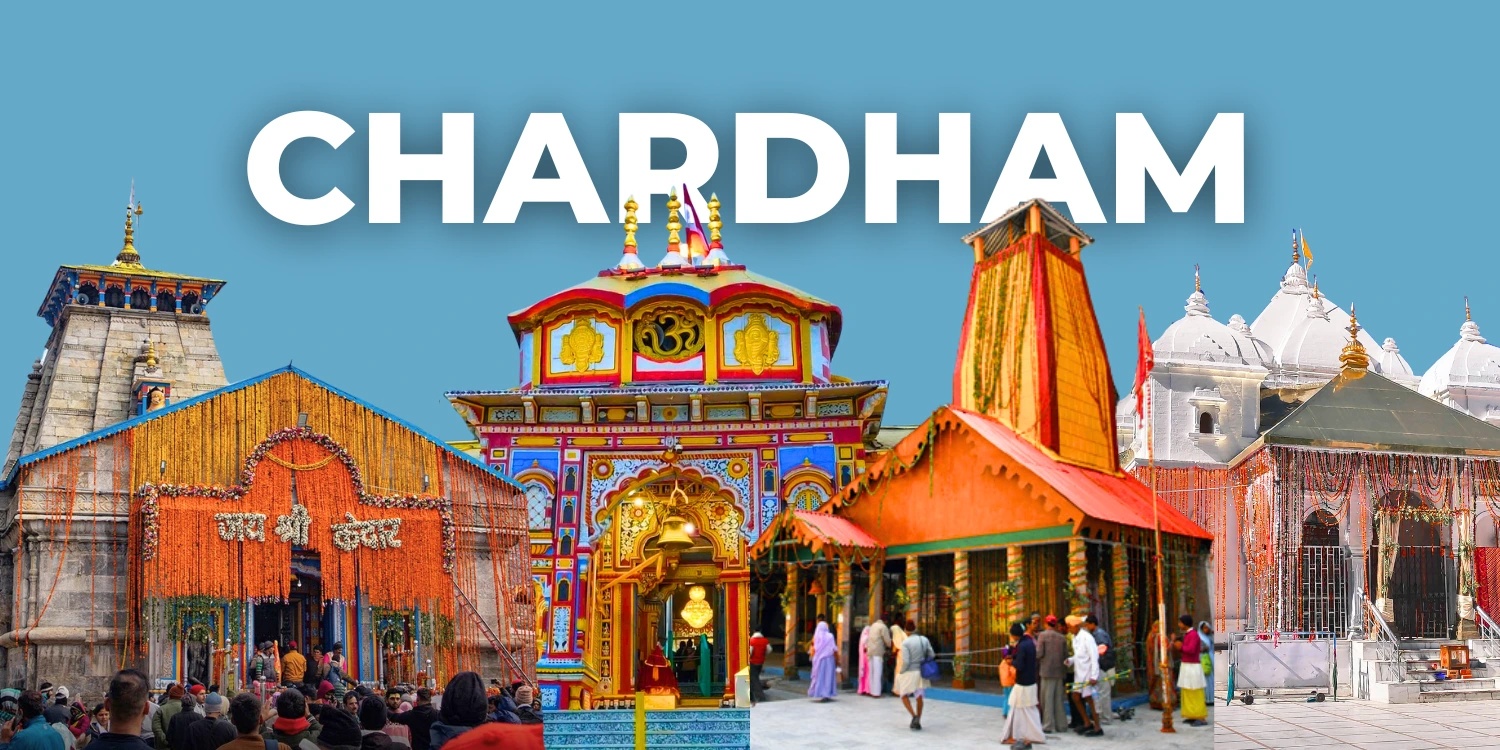
Every year, millions of devotees hear the mountains calling—not just for adventure, but for liberation. The Char Dham Yatra is more than a pilgrimage; it is a test of faith, endurance, and spirit across the Garhwal Himalayas.
Whether you are a devout senior citizen seeking Moksha or a spiritual traveler drawn to the energy of the mountains, this journey requires meticulous planning. With the government expecting over 50 lakh pilgrims in the upcoming season, navigating the Yatra can be daunting without the right information.
In this detailed guide, we break down everything you need to know about the Char Dham Yatra 2026—from registration hacks and route maps to medical safety and packing essentials.
What is the Char Dham Yatra?
The Char Dham (meaning “four abodes”) refers to four holy shrines nestled high in the Uttarakhand Himalayas: Yamunotri, Gangotri, Kedarnath, and Badrinath.
According to Hindu tradition, visiting these sites washes away sins and opens the gates to salvation. The pilgrimage traditionally follows a specific clockwise order (Parikrama), signifying the direction of the sun:
-
Yamunotri: Dedicated to Goddess Yamuna (Origin of River Yamuna).
-
Gangotri: Dedicated to Goddess Ganga (Origin of River Ganges).
-
Kedarnath: The abode of Lord Shiva (One of the 12 Jyotirlingas).
-
Badrinath: The abode of Lord Vishnu.
Did You Know? The concept of Char Dham was established by the great philosopher Adi Shankaracharya in the 8th century. While the “Chota Char Dham” is in Uttarakhand, the greater Char Dham circuit covers four corners of India (Badrinath, Dwarka, Puri, and Rameswaram).
Char Dham Yatra 2026: Key Dates & Schedule
The temples open their gates during the auspicious occasion of Akshaya Tritiya (usually in April/May) and close around Diwali (October/November) due to heavy snowfall.
Tentative Opening Dates for 2026
-
Yamunotri: April 19, 2026 (Akshaya Tritiya)
-
Gangotri: April 19, 2026 (Akshaya Tritiya)
-
Kedarnath: April 22, 2026 (Tentative)
-
Badrinath: April 24, 2026 (Tentative)
Note: Exact dates are confirmed by the temple committees on the day of Basant Panchami and Maha Shivaratri. Always check official announcements before booking.
Step-by-Step Registration Process
Since 2023, the Uttarakhand government has made biometric registration mandatory for all pilgrims to manage crowd flow and ensure safety. Without a registration slip/card, you may be denied entry at police checkpoints.
How to Register for Char Dham Yatra:
You can register through three easy modes:
-
Online Portal: Visit the official website registrationandtouristcare.uk.gov.in and create an account.
-
WhatsApp: Send “Yatra” to the official mobile number +91 8394833833 to start the chatbot registration.
-
Mobile App: Download the Tourist Care Uttarakhand app on Android or iOS.
Documents Required:
-
Aadhar Card (or Voter ID/Passport).
-
A valid mobile number for OTP.
-
Passport-sized photograph (digital format for online uploads).
The Route Map: Planning Your Itinerary
The standard itinerary takes 10 to 12 days if traveling by road from Haridwar or Rishikesh. Here is the optimized route plan:
Phase 1: Yamunotri
-
Route: Haridwar → Barkot → Janki Chatti → Yamunotri (6 km trek).
-
Highlight: Cooking rice in the Surya Kund (hot water spring) as prasad.
Phase 2: Gangotri
-
Route: Barkot → Uttarkashi → Harsil → Gangotri.
-
Highlight: The submerged Shivling visible only in winter (or low water levels) and the pristine Bhagirathi river.
Phase 3: Kedarnath
-
Route: Uttarkashi → Guptkashi → Sonprayag → Gaurikund → Kedarnath (16-18 km trek).
-
Highlight: The breathtaking Mandakini valley and the spiritual aura of the Shiva temple.
Phase 4: Badrinath
-
Route: Kedarnath → Chopta → Joshimath → Badrinath.
-
Highlight: A dip in the Tapt Kund (hot sulfur spring) before entering the temple.
Medical Guidelines & Safety: Exploring High Altitudes
The Yatra involves altitudes up to 11,755 feet (Kedarnath). The thin air can cause Acute Mountain Sickness (AMS), which can be fatal if ignored.
Health Advisory for 2026
-
Medical Screening: Pilgrims above 50 years may be required to undergo a health screening.
-
Acclimatization: Do not rush. Spend at least one night in lower altitudes like Guptkashi or Joshimath before ascending.
-
Hydration: Drink 2-3 liters of warm water daily. Dehydration mimics AMS symptoms.
-
Medication: Carry Diamox (Acetazolamide) for altitude sickness (consult your doctor first), painkillers, and personal chronic medications.
Pro Tip: “The mountains demand respect, not speed. Walk slowly, listen to your body, and don’t hesitate to use a pony or palanquin if you feel breathless.”
Budget vs. Luxury: Travel Options
1. By Road (Budget/Standard)
-
Public Buses: GMOU and UTC buses are available from Haridwar/Rishikesh. Very affordable but can be crowded.
-
Private Taxi: Cost ranges from ₹3,500 to ₹6,000 per day depending on the vehicle (Sedan vs. SUV).
-
All-Weather Road Update: The Char Dham Mahamarg Pariyojana has significantly widened roads, reducing travel time and landslide risks, though some patches near Joshimath remain sensitive.
2. By Helicopter (Luxury/Time-Saver)
-
Routes: Dehradun (Sahastradhara) to all four Dhams.
-
Cost: Approx ₹1.8 – ₹2 Lakh per person for the full circuit (booking opens on the IRCTC HeliYatra website).
-
Benefits: Complete the Yatra in just 2 days.
What to Pack: The Himalayan Checklist
The weather in the Himalayas is unpredictable. It can be sunny one minute and hailing the next.
-
Clothing: Thermal inners, down jacket, fleece, waterproof windcheater, and woolen socks.
-
Footwear: Sturdy trekking shoes with good grip (waterproof is a plus).
-
Essentials: Power bank, dry fruits/nuts for energy, rain poncho, sunscreen, and sunglasses.
-
Cash: ATMs are scarce in higher altitudes like Kedarnath and Yamunotri.
Conclusion
The Char Dham Yatra is a transformative experience that stays with you long after you descend the mountains. It is a journey where the silence of the valleys speaks louder than the chaos of the city. While the physical trek is challenging, the sight of the evening Aarti at Badrinath or the first glimpse of the Kedarnath dome makes every step worth it.
As you plan for 2026, remember that responsible tourism is key. Keep the Himalayas clean, respect local customs, and travel with a heart full of devotion.
Ready to plan your spiritual journey?
Click here to download our free Char Dham Packing Checklist PDF or browse our guide on Top 5 Winter Treks in Uttarakhand to keep the adventure going!


Kedarnath Trek Guide
January 21, 2026[…] to plan your trip? If you are looking to combine Kedarnath with Badrinath, read our Complete Char Dham Yatra Itinerary to plan the perfect […]